2025 has been a tumultuous year, with wars, genocide, revolutions, and general strikes. Meanwhile, this global instability is beginning to have its effect in Canada, which has given Communist Revolution plenty to write about. Here is a look back at some of the most important articles of the year.
January
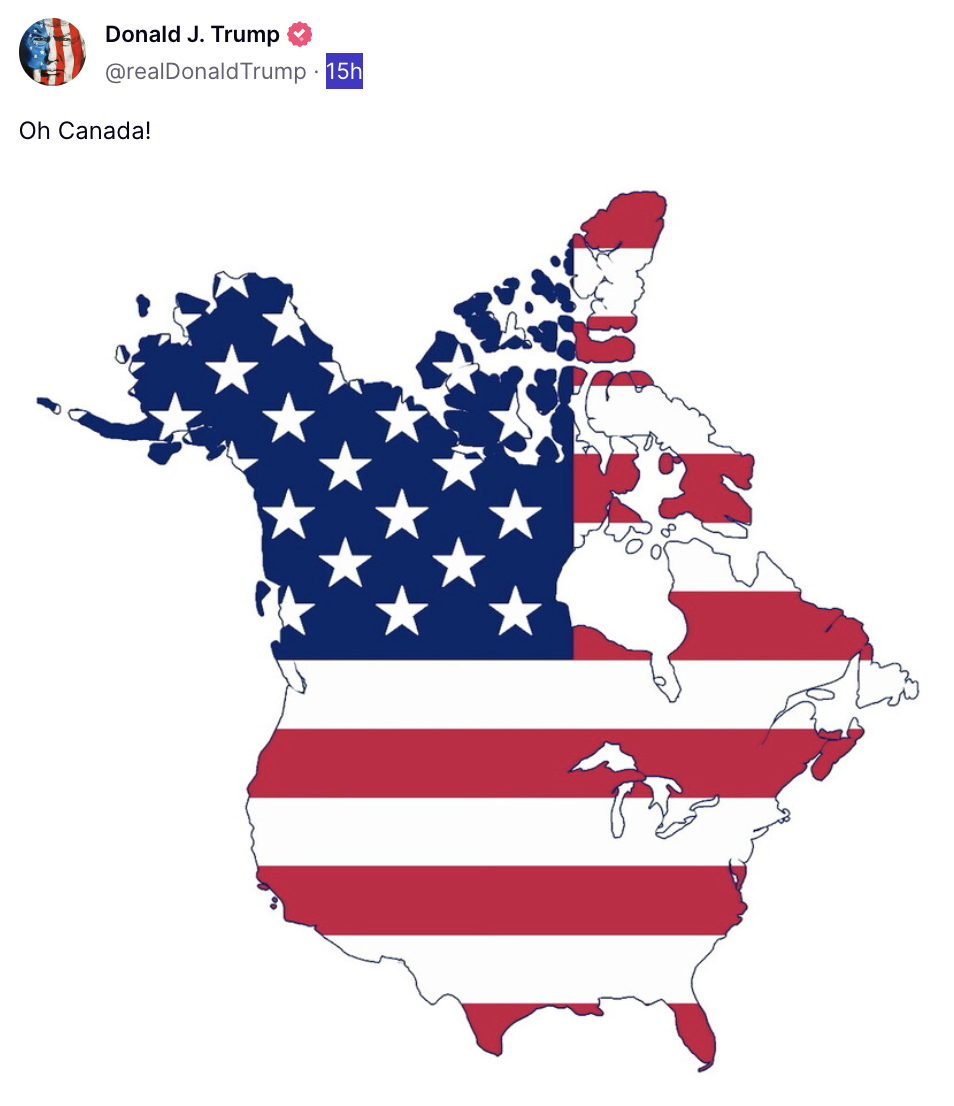
What is behind Trump’s threat to annex Canada
The year began with Donald Trump returning as President of the United States—and immediately talking about turning Canada into the 51st state. In this article, we explain the deeper logic behind Trump’s threats, as he tries to deal with the U.S.A.’s declining status as the world superpower.
February

The communist position on the trade war
At the same time, Trump kicked off his global trade war. While the capitalists and so-called “left” alike have struggled with how to respond, the communists put forward a clear working-class program.
March

From terrorism to Marxism: Lessons from the Russian revolutionary movement
In March, the public response to Luigi Mangione’s alleged assassination of a health insurance executive provided one of the clearest examples yet of the class anger that exists in society. In this article, we look at history to understand the best way to channel that anger.
Quebec: The significance of Gabriel Nadeau-Dubois’ resignation
While class anger seethes, the supposed left-wing parties have totally failed to connect with it. Case in point is Québec solidaire. Communist Revolution has long warned of its decline as the party abandoned socialism for respectability, and those warnings have been totally vindicated.
April
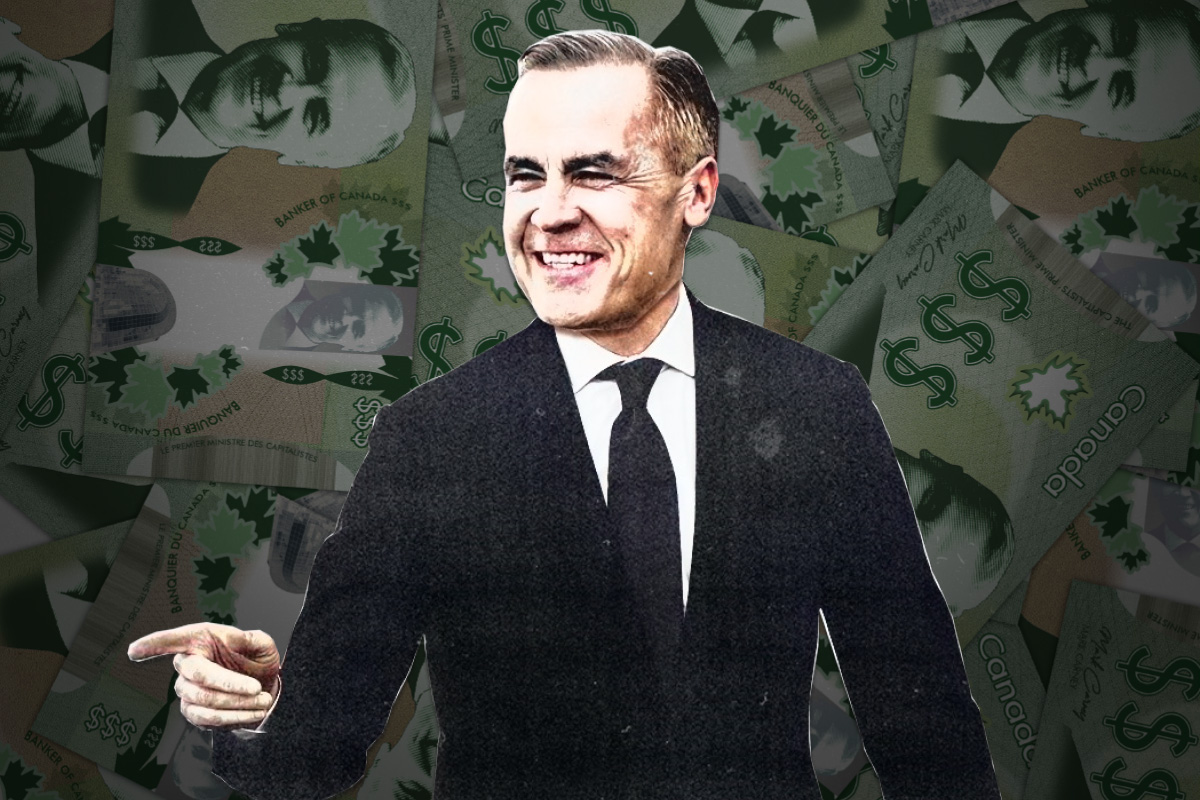
The ruling class gets their man
The federal election in April saw one of the most dramatic come-backs in the history of modern democracies, as Mark Carney led the Liberal party to another term in government. Many breathed a sigh of relief, seeing him as a steady pair of hands in a time of crisis. We explained what Carney really is: the capitalists’ top pick to represent their interests.
May
The RCP’s 2025 political perspectives
In May, we published our analysis of where the situation in Canada is headed, as the ruling class struggles to deal with the loss of Canada’s privileged position on the world stage, previously secured by its “special relationship” with the U.S. Re-reading it now, you can see how much of it has already played out!
June
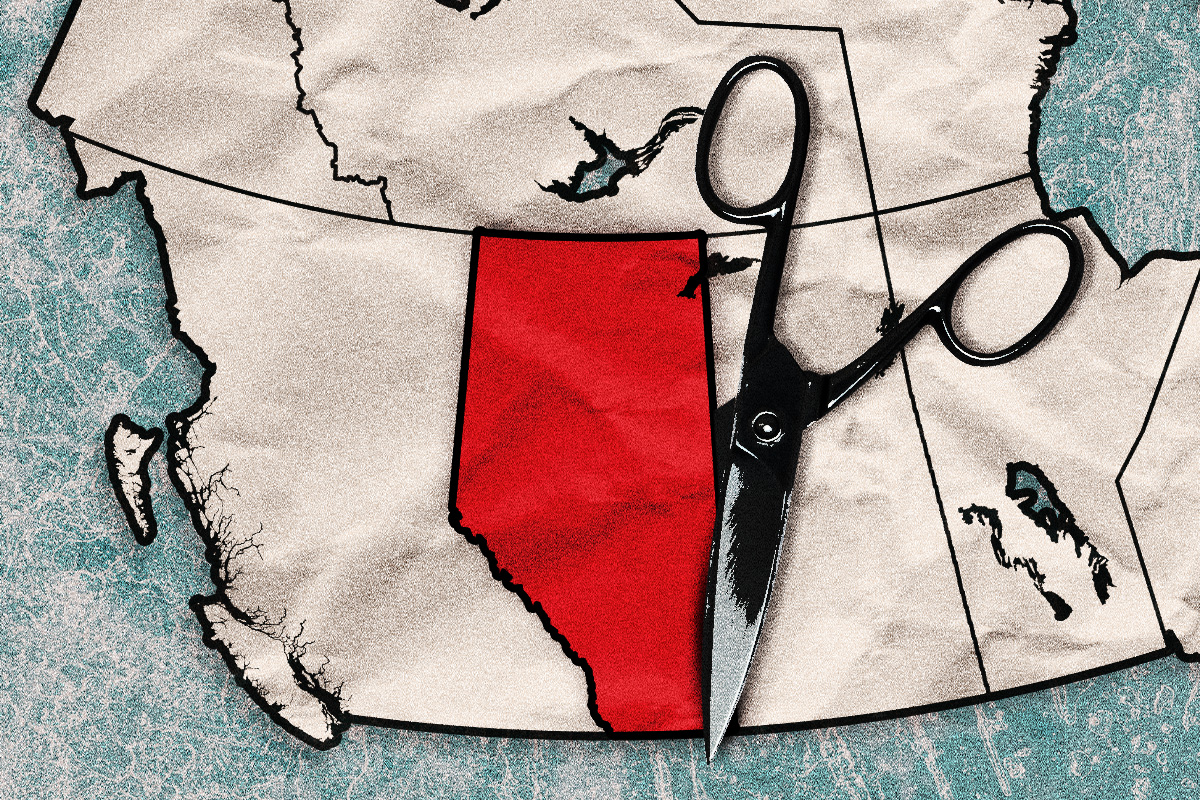
Despite all the talk about “Team Canada”, the provinces were never really united. For one, Alberta Premier Danielle Smith has used the prospect of a referendum on independence as leverage in negotiations with the federal government. But separatist sentiment has deeper roots than that; and, now that it’s unleashed, it’s not a creature that Smith can control. In this article we explain where Albertan separatism comes from, and what its significance is for the class struggle.
Houdaille 1980: When Ontario auto workers occupied the plants
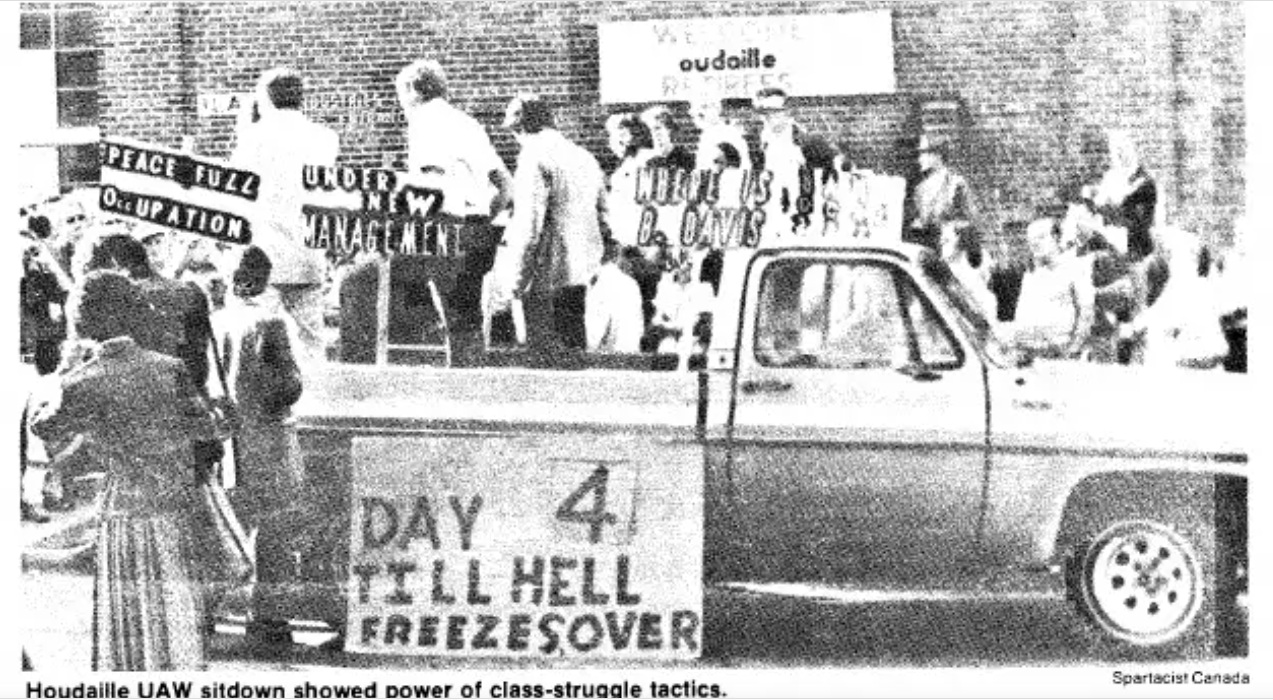
Meanwhile, “Team Canada” demonstrated its complete inability to prevent the factory closures and job losses brought on by the trade war. The working class can only rely on its own means to defend itself. The Houdaille occupation is just one example from history that demonstrates this.
(For more on the history of Canadian labour struggles, you can also read “The revolutionary roots of the Canadian Union of Postal Workers” and “No hot cargo: When New Brunswick dock workers struck against Argentina’s military regime”.)
August
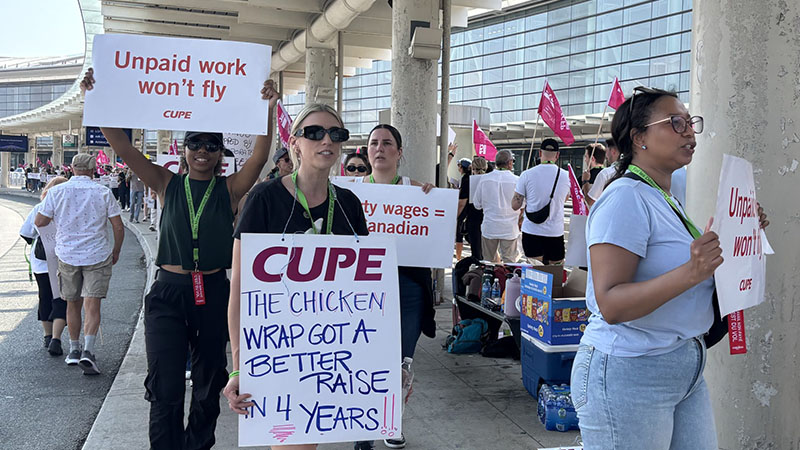
Flight attendants defeat back-to-work order—but leaders accept bad deal
This summer’s strike of Air Canada flight attendants was electrifying, with massive public support, and open defiance of the law—only to be brought to a sudden and disappointing end. Communist Revolution followed the strike closely (1, 2, 3, 4), and in this article we provide a full analysis of what the strike accomplished, and why it was betrayed.
September

The fall of art and the rise of slop
What do remakes, AI music, and the proliferation of “content” over “art” all have in common? They all have their roots in the subjugation of art to profit, and the decline of capitalism.
As we write these words, Netflix and Paramount are engaged in a massive bidding war to acquire Warner Bros, marking a new step in the monopolization of culture into fewer and fewer hands. And, Merriam-Webster has just declared “slop” 2025’s word of the year.
October
The falling support for immigration and the Marxist approach and The immigration debate in Quebec explained
As the crisis of capitalism deepens, governments around the world have been trying to shift the blame onto immigrants. For many, the reign of Trudeau demonstrated that Canada was bucking the trend. However, in the last few years, Canadian attitudes have changed sharply on immigration. This turn of opinion has generated a feeling of depression for many on the “left.” In their view, the “old Canada” which embraced immigration and multiculturalism is being replaced by one that is mean, nativistic, and racist—the reasons for which they can’t adequately explain. In these two articles, we look at the real reasons behind changing attitudes, and how Marxists should engage with workers who present concerns about immigration.
November:
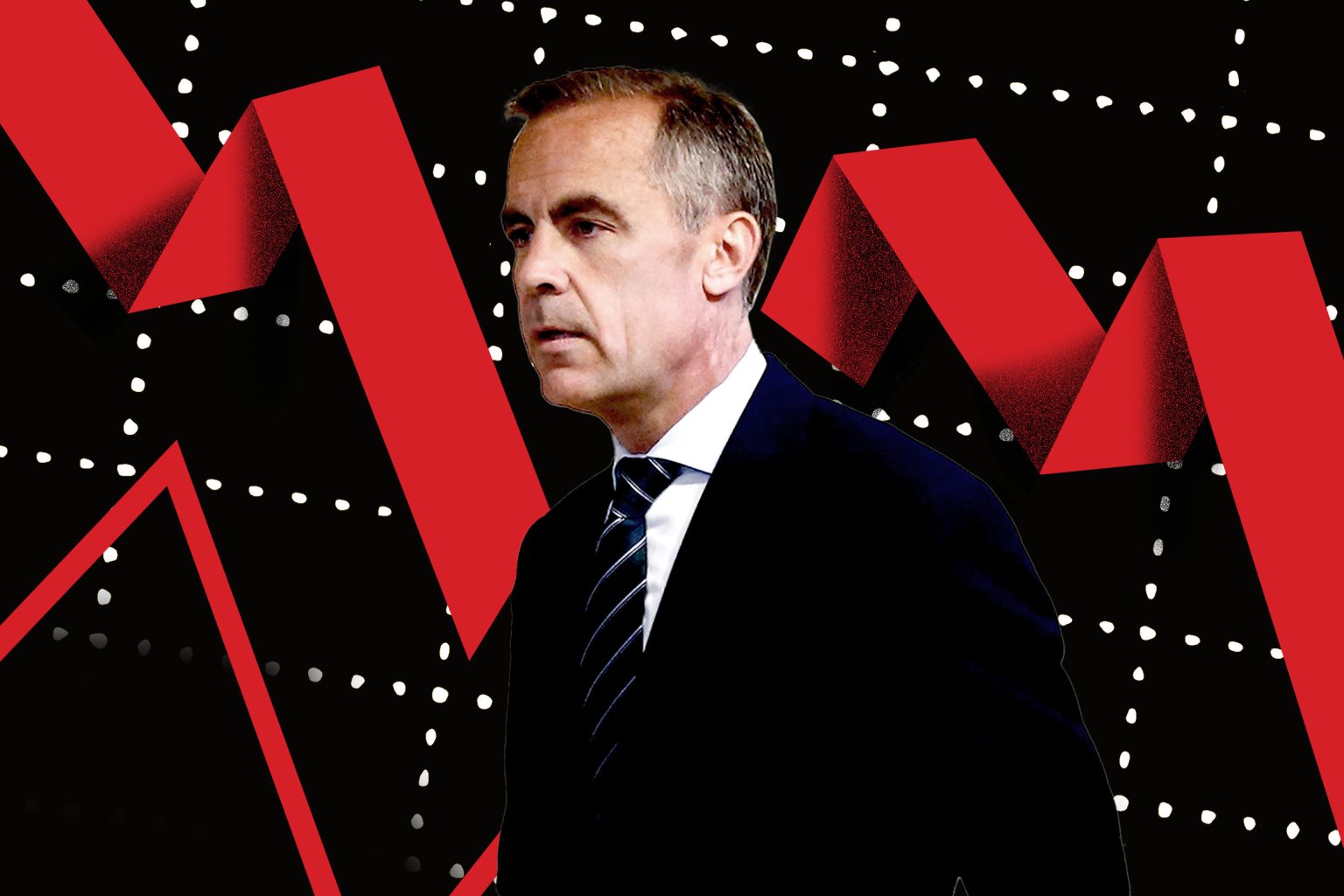
Canadian economy barreling towards catastrophe
As we predicted earlier in the year, Carney is not able to address the challenges facing Canadian capitalism. Inescapably, that means that he will take aim at the working class, which must be ready to defend itself.
The Alberta Federation of Labour must prepare for a general strike

When teachers in Alberta went on strike, they garnered massive support, being seen as fighting for the future of education in the province. Knowing that Premier Smith would try to legislate them back to work using the notwithstanding clause, there was widespread discussion, and enthusiasm, for responding with a general strike. However, once again, the union leadership dropped the ball. In this article, we discuss the way forward for the labour movement. You can also read the rest of our coverage of the strike (1, 2, 3, 4).
December:
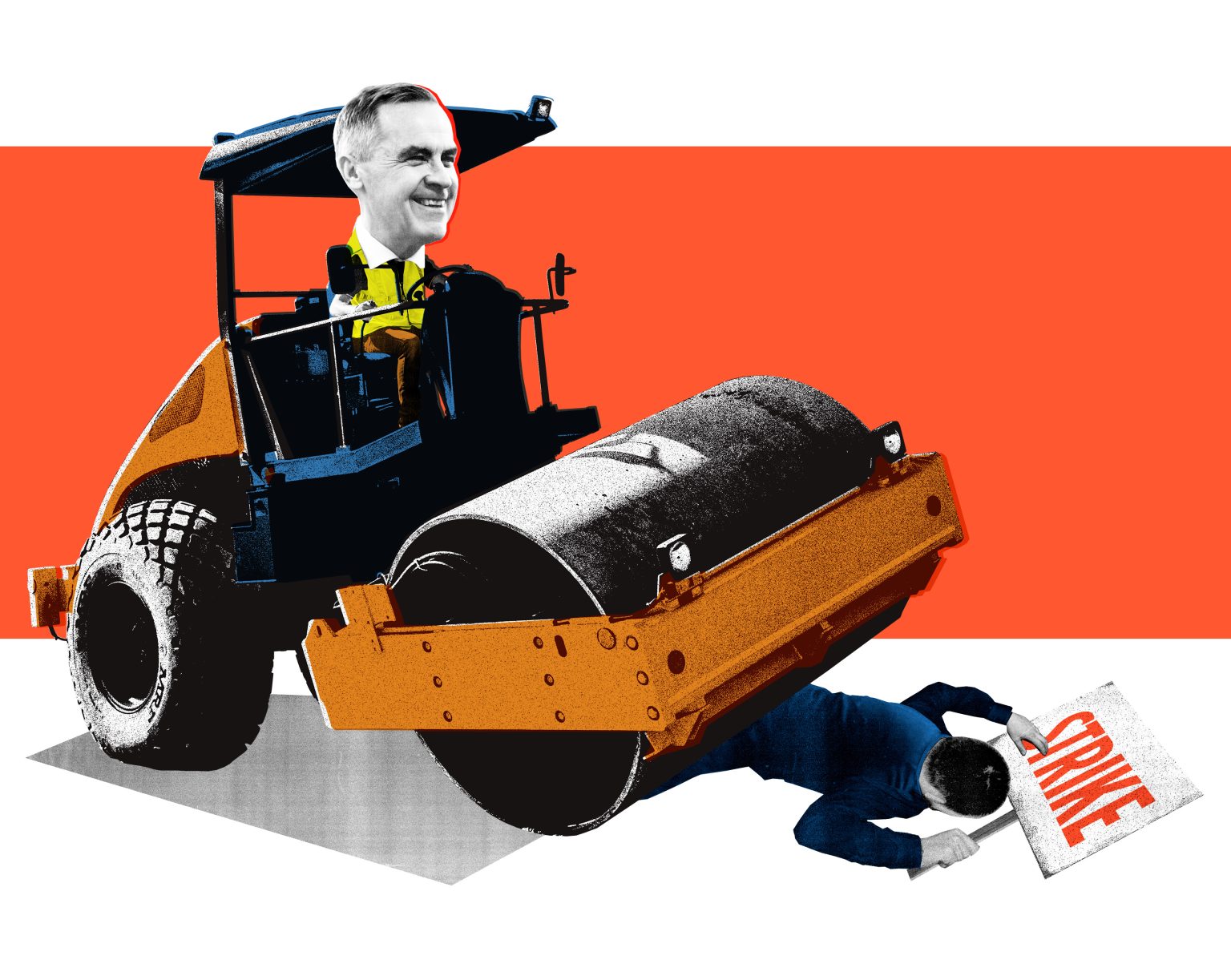
Labour movement at crossroads and Quebec’s Bill 3 and the political role of trade unions
The flight attendants’ strike and Alberta teachers’ strike mentioned above are just two out of many labour struggles in recent years where the workers have proven that they’re ready to fight, while their leadership has held them back. In these articles, we explain why this is happening, and what the labour movement needs to do to move forward.